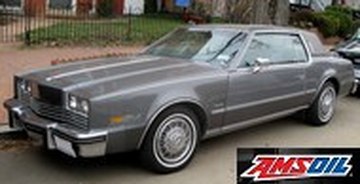
Maintaining Lubrication Standards for the 1980 Oldsmobile TORONADO 5.7L Diesel
Owning a vehicle with a diesel engine, such as the 1980 Oldsmobile TORONADO equipped with the 5.7L [N] Diesel powerplant, requires a specific approach to routine maintenance and fluid management. Because diesel engines operate under different mechanical stresses than their gasoline counterparts, staying diligent with lubrication and general engine inspections is vital for long-term operational health.
Monitoring Fluid Integrity and Condition
Regularly checking the condition of your engine oil is one of the most effective ways to monitor the internal state of the 5.7L Diesel engine. Rather than simply looking at the level, an observant owner should examine the physical characteristics of the lubricant during routine checks. Changes in the color, consistency, or smell of the oil can serve as early indicators that something requires attention.
For instance, if the oil appears excessively dark or contains visible particulates, it may suggest that the filtration system is working hard to manage contaminants or that the interval between service needs to be reviewed. If you notice any unusual odors emanating from the crankcase area, this warrants a closer inspection of the engine's operating environment. While many factors can influence the appearance of oil, maintaining a consistent baseline through regular observation allows you to identify deviations before they escalate into more significant mechanical concerns.
Systematic Inspection of Engine Components
A proactive maintenance strategy involves looking beyond just the fluids and examining the surrounding components for signs of wear or aging. For a 1980 model, many materials have been in service for several decades, making visual inspections particularly valuable.
- Seals and Gaskets: Periodically inspect various sealing surfaces for any evidence of seepage or weeping. Even minor traces of fluid around gaskets can indicate that the material is beginning to lose its ability to maintain a tight seal due to age or heat cycles.
- Hoses and Connections: If equipped, check all visible hoses for signs of softening, cracking, or bulging. Ensuring that connections remain secure and that there is no evidence of leakage at junction points helps prevent unexpected fluid loss.
- Electrical and Wiring: Inspect accessible wiring harnesses and electrical connectors for signs of brittleness or corrosion. Maintaining clean and secure electrical paths is essential for the proper operation of engine management components.
- Drive Components: If the engine utilizes accessible belts, inspect them for glazing, fraying, or surface cracking. A belt that shows significant wear should be evaluated to ensure it can continue to drive its respective accessories reliably.
By performing these checks during every oil service, you create a comprehensive view of the vehicle's current mechanical state, allowing for prioritized maintenance based on actual condition rather than guesswork.
Managing Long-Term Engine Health
As vehicles age, the strategy for maintenance often shifts from simple part replacement to more nuanced condition monitoring. For the 1980 Oldsmobile TORONADO, establishing a clear history of what has been serviced can be an invaluable tool for any owner.
If you are currently managing a vehicle with an incomplete service history, your first priority should be to establish a maintenance baseline. This involves performing a thorough inspection of all fluids and major components to determine their current state. Once this baseline is set, you can begin keeping detailed records of every oil change, filter replacement, and mechanical repair. Documenting these events helps you track the frequency of service and identify patterns that might indicate a component is nearing the end of its service life.
When deciding which tasks to prioritize, focus on addressing active signs of wear or fluid loss first. Distinguishing between necessary preventive maintenance—such as replacing an aging belt before it fails—and unnecessary parts replacement is key to efficient ownership. Using the current physical condition of the engine as your guide ensures that your maintenance efforts are directed where they will provide the most benefit.
Understanding Potential Warning Signs
It is important to recognize that certain symptoms can be associated with various underlying issues, and no single sign should be used to definitively diagnose a specific component failure without further investigation. However, being aware of these indicators allows for timely intervention.
An unexpected change in how the engine sounds or operates may indicate that lubrication levels or quality have changed. Similarly, if you notice any unusual exhaust characteristics, such as smoke that differs from the vehicle's normal operating profile, it should be investigated promptly. Furthermore, any sudden appearance of fluid on the ground beneath the vehicle or a noticeable drop in fluid levels between checks warrants immediate attention. These symptoms do not always point to a single specific failure, but they are clear signals that the engine's lubrication or cooling systems require professional inspection.
Effective Record Keeping for Diesel Engines
For owners of diesel-powered vehicles, maintaining an organized log of all service activities is highly recommended. Because diesel engines rely heavily on the consistent quality of their lubricants and the efficiency of their filtration, knowing exactly when the last service occurred is critical. A well-maintained record book should include:
- The date and mileage at the time of every oil and filter change.
- Specific details regarding any fluids added or replaced.
- Notes on any observed seepage, leaks, or component wear during inspections.
- A history of all major mechanical repairs or part replacements.
This level of documentation not only assists in staying on top of routine service but also provides a clear picture of the vehicle's overall health, which is essential for informed decision-making regarding future repairs.
Practical Advice for BUYING ENGINE OIL for your 1980 Oldsmobile TORONADO 5.7L
When you are ready to replenish the lubrication in your 1980 Oldsmobile TORONADO 5.7L Diesel, it is essential to select a product that aligns with the specific requirements of this engine. To ensure the best results, match the engine oil to the application-specific viscosity information already displayed on this webpage.
Before finalizing your purchase, always check the product labeling to confirm that the oil meets the appropriate quality standards and certifications for your needs. Depending on your specific maintenance goals and the current condition of your engine, you may choose between conventional, synthetic blend, or full synthetic formulations. For engines with higher mileage, some owners look toward high-mileage formulations which may contain additives intended for use in aging engines. Regardless of the type you select, always verify that the oil's specifications match the application data provided here to ensure proper protection and performance.